Source Anti Wrinkle Flame Retardant Chef Jacket for Hotels, Restaurants, and Catering
Find and compare 30 anti wrinkle flame retardant chef jacket options from Chinese manufacturers. Evaluate features like quick dry, rip-stop, and customizable sizes for kitchen and hotel use.
Key considerations
Products List




Comprehensive Sourcing Guide
Anti Wrinkle Flame Retardant Chef Jacket Sourcing Guide
Procuring specialized kitchen apparel requires a precise understanding of how fabric engineering balances safety, durability, and comfort. The anti-wrinkle flame retardant chef jacket is a critical component of professional kitchen uniforms, designed to withstand high-heat environments while maintaining a professional appearance throughout long shifts. Buyers must recognize that these garments are not standard workwear; they are engineered textiles that combine chemical treatments or inherent fiber properties to resist ignition and minimize creasing. This guide provides a structured approach to sourcing these items, focusing on technical verification, compliance, and commercial terms to ensure that the final product meets the rigorous demands of hotel, restaurant, and commercial kitchen operations.
The sourcing process begins with defining the specific operational needs of the end-user, whether for a high-volume hotel kitchen or a boutique restaurant. The observed market signals indicate a diverse range of products, from open-fronted overcoats to all-in-one structures, each serving different ergonomic and safety requirements. Buyers should not assume that all listed "chef jackets" possess the same level of flame resistance or wrinkle resistance. Instead, they must treat product attributes as observations to be verified through sample testing and supplier documentation. This disciplined approach ensures that the procurement team selects garments that offer genuine protection and longevity, rather than relying on marketing terminology that may not reflect actual performance under real-world kitchen conditions.
Product Scope and Observed Listing Signals
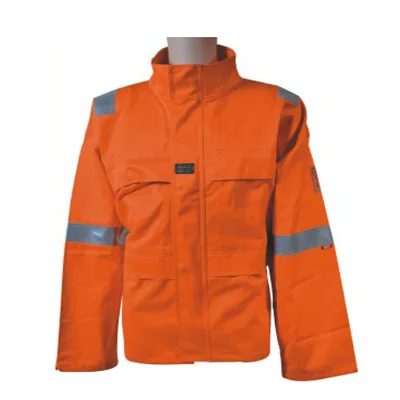
The current market landscape for chef jackets reveals a wide variety of structural designs and material compositions that cater to different professional needs. Observed listings indicate that products range from open-fronted styles, which allow for easy layering and ventilation, to all-in-one structures that provide comprehensive coverage. The material base is predominantly cotton, polyester, or blends of both, with some listings specifying cotton/polyester mixes to balance breathability with durability. These material choices directly impact the garment’s ability to resist wrinkles and its overall comfort level, making it essential for buyers to align the fabric type with the specific climate and workload of their kitchen staff.
In addition to material and structure, the observed data highlights significant variations in accessories and customization options. Some products include armlets or labels, while others offer fully customizable logos and colors to match brand identity. The presence of features such as anti-static, rip-stop, and quick-dry properties suggests that modern chef jackets are designed to address multiple workplace hazards beyond just heat. Buyers should note that while many listings claim these features, the actual implementation can vary significantly between suppliers. Therefore, it is crucial to review the specific product model numbers, such as CSZF or WH013, to understand the exact configuration of each item before placing bulk orders.
Technical Specifications to Verify
When evaluating technical specifications, buyers must prioritize the verification of flame retardancy and anti-wrinkle performance, as these are the core value propositions of the product. Flame retardant properties can be achieved through inherent fiber chemistry or durable finishes, and the latter may degrade over time with repeated washing. Buyers should request detailed fabric composition reports and ask for evidence of how the flame retardant treatment is applied and maintained. Similarly, anti-wrinkle performance should be assessed through standardized washing and drying cycles to ensure that the garment maintains its professional appearance after multiple uses. These technical checks are vital to prevent premature replacement and ensure consistent staff presentation.
Other critical specifications include the garment’s structural integrity and functional features such as breathability and comfort. The observed data mentions features like quick-dry and anti-static properties, which are particularly important in high-humidity kitchen environments. Buyers should verify the stitching quality, seam strength, and button or closure durability, as these elements are prone to failure under heavy use. Additionally, the availability of custom sizing is a key factor, as ill-fitting uniforms can compromise safety and comfort. Suppliers offering OEM services and customizable sizes should be evaluated on their ability to produce consistent fits across large orders, ensuring that all staff members receive garments that meet their specific measurements.
Compliance and Safety Documentation
Compliance with safety standards is non-negotiable when sourcing flame retardant chef jackets, as these garments serve as a primary line of defense against kitchen fires. Buyers must insist on comprehensive safety documentation from suppliers, including test reports from accredited laboratories that verify the garment’s flame resistance and self-extinguishing properties. While specific standards may vary by region, buyers should ensure that the products meet or exceed local regulatory requirements for occupational safety. The presence of certifications such as UL 723, although noted as low-confidence background information, highlights the importance of verifying that any claimed standards are current and applicable to the specific product type.
In addition to safety certifications, buyers should review the supplier’s quality management systems and production processes to ensure consistent compliance. Documentation should include material safety data sheets (MSDS) for any chemical treatments used in the fabric, as well as care instructions that specify how to maintain the flame retardant properties during laundering. Buyers must also verify that the supplier adheres to ethical manufacturing practices, as this can impact the overall risk profile of the supply chain. By demanding transparent and verifiable compliance documentation, buyers can mitigate legal and safety risks associated with non-compliant uniforms.
Cost Drivers and Commercial Terms
Understanding the cost drivers for anti-wrinkle flame retardant chef jackets is essential for effective budgeting and negotiation. The primary cost factors include the type of fabric used, the complexity of the flame retardant treatment, and the level of customization required. Blends of cotton and polyester may offer a balance of cost and performance, while 100% polyester or specialized flame-retardant fibers may command higher prices. Additionally, features such as rip-stop construction, anti-static treatments, and custom logos add to the overall cost. Buyers should request detailed breakdowns of these costs to understand where value is being added and to identify potential areas for cost optimization.
Commercial terms, including minimum order quantities (MOQ), lead times, and payment terms, also play a significant role in the procurement process. Observed data indicates MOQs ranging from 30 to 1000 pieces, with bulk order times typically spanning two to three weeks. Buyers should negotiate terms that align with their inventory needs and cash flow constraints, while also considering the supplier’s capacity to handle rush orders if necessary. It is also important to clarify the packaging details, as some suppliers use boxes while others use cartons, which can impact shipping costs and storage requirements. Clear communication of these terms upfront helps prevent misunderstandings and ensures a smooth transaction.
Supplier Qualification and Quality Control
Supplier qualification is a critical step in ensuring that the sourced chef jackets meet the required quality and safety standards. Buyers should conduct thorough due diligence on potential suppliers, including verifying their business licenses, production capabilities, and past performance. Requesting references from other clients in the hospitality or food service industry can provide valuable insights into the supplier’s reliability and product quality. Additionally, buyers should assess the supplier’s ability to provide OEM services and customize products according to specific requirements, as this flexibility is often a key differentiator in the market.
Quality control measures should be implemented throughout the production process to ensure consistency and compliance. Buyers should establish clear quality standards and inspection criteria, including checks for fabric defects, stitching quality, and adherence to design specifications. Conducting pre-shipment inspections or hiring third-party inspection services can help identify and rectify issues before the goods are dispatched. Furthermore, buyers should maintain open communication with suppliers to address any concerns promptly and to foster a collaborative relationship that prioritizes quality and safety. By investing in robust supplier qualification and quality control processes, buyers can minimize the risk of receiving substandard products.
Long-Term Procurement Checks
Long-term procurement success depends on continuous monitoring and evaluation of supplier performance and product quality. Buyers should establish key performance indicators (KPIs) to track metrics such as on-time delivery, defect rates, and customer satisfaction among end-users. Regular feedback loops with kitchen staff can provide valuable insights into the comfort, durability, and functionality of the chef jackets, highlighting areas for improvement. Additionally, buyers should stay informed about advancements in fabric technology and safety standards to ensure that their procurement strategies remain aligned with industry best practices.
Sustainability and ethical considerations are also becoming increasingly important in long-term procurement strategies. Buyers should evaluate suppliers’ environmental policies, including their use of sustainable materials and waste reduction practices. Engaging with suppliers who prioritize ethical labor practices and environmental stewardship can enhance brand reputation and align with corporate social responsibility goals. By adopting a proactive and holistic approach to long-term procurement, buyers can build resilient supply chains that deliver value, safety, and sustainability over time.
FAQs
What materials are used for anti wrinkle flame retardant chef jackets?
These jackets are typically constructed from cotton, polyester, or cotton-polyester blends. The fabric choice ensures the garment meets specific functional requirements such as breathability and durability. Some models utilize pure polyester for enhanced quick-dry properties, while others prioritize the comfort and softness of natural cotton fibers for extended kitchen shifts.
Can I customize the size and logo on these chef uniforms?
Yes, customization is widely available for both sizing and branding. Buyers can request custom sizes to ensure a proper fit for kitchen staff. Additionally, logos can be customized to match hotel or restaurant branding. This OEM service allows for tailored solutions that meet specific operational needs and brand identity requirements.
What is the typical bulk order time for these uniforms?
The bulk order time is generally estimated at two to three weeks. This lead time applies to standard production runs for customized or bulk quantities. Buyers should account for this duration when planning inventory for restaurants or hotels. Expedited options may vary, so confirming specific timelines with suppliers is recommended for urgent requirements.
Which features define the performance of these chef jackets?
Key features include anti-wrinkle, quick-dry, anti-static, and flame retardant properties. These attributes ensure safety and comfort in high-heat kitchen environments. The fabric is also designed to be breathable and soft, enhancing wearer comfort. Rip-stop technology may be included to improve durability against tears and abrasions during daily culinary tasks.
What are the standard packaging dimensions for these products?
Packaging standards vary by model but often include box or carton formats. Common dimensions observed include 55x35x25cm, 52x32x50cm, and 23x17cm. Some items are packed as one set or in common packing configurations. Buyers should verify specific packing details with suppliers to ensure compatibility with their logistics and storage requirements.
Are these chef jackets suitable for various age groups?
Yes, these uniforms are designed for a wide age range, from kindergarten to university levels. This versatility makes them suitable for educational institutions, training centers, and professional kitchens. The unisex design and customizable sizing ensure that the garments fit diverse body types and age groups effectively in both commercial and educational settings.